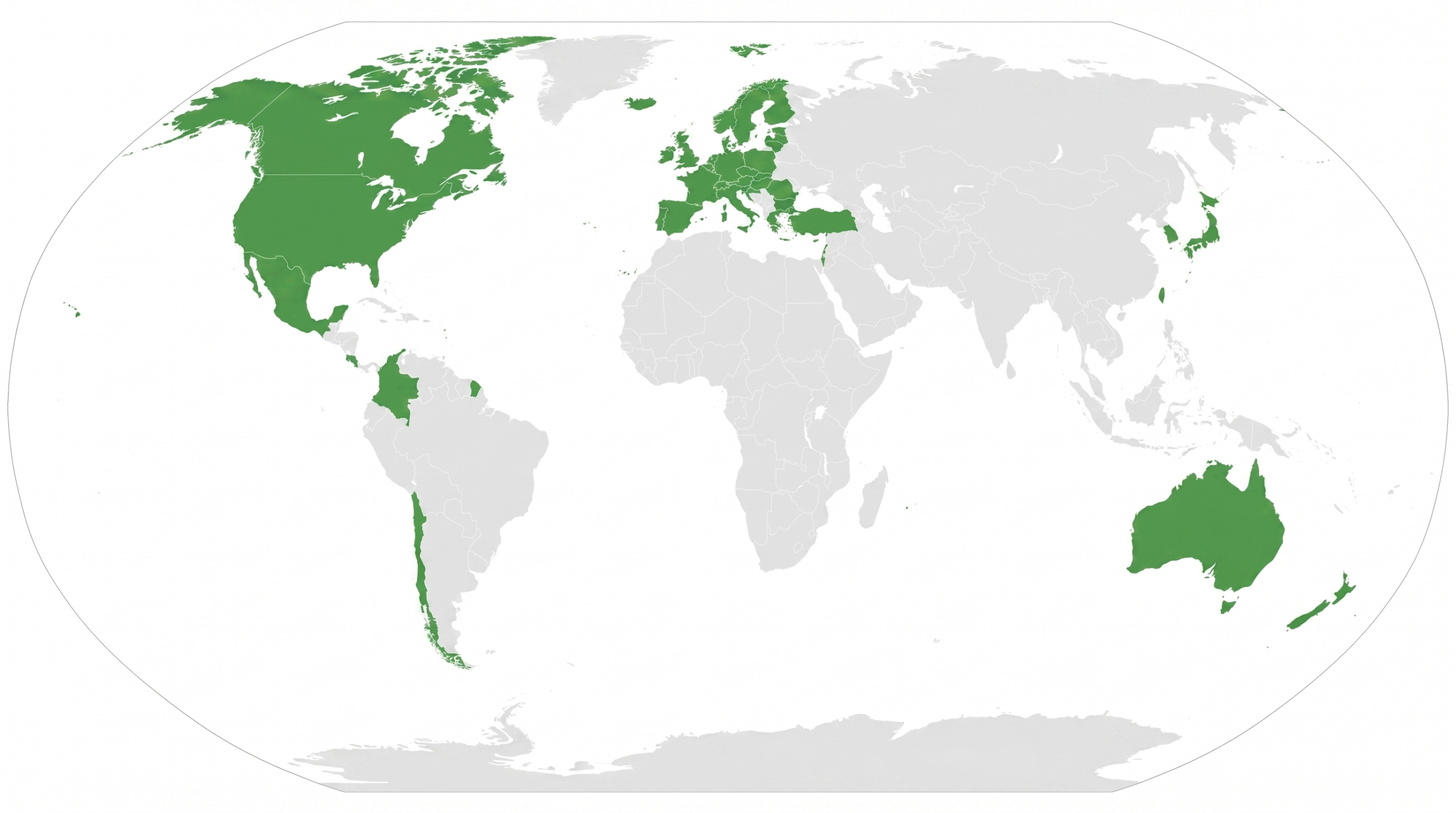
Export of waste outside the OECD blocked by Brussels. DIWASS system cuts off exotic destinations
The European Union is introducing fundamental changes to its policy on managing secondary raw materials. Brussels has decided to radically tighten borders in order to stop the practice of exporting problematic waste to developing countries. The new regulations directly impact the current practice, which allowed for the transfer of ecological responsibility to third countries. For this reason, waste management companies throughout Europe must immediately review their existing logistical and commercial strategies.
The main aim of the new legislation is global environmental protection, as developing countries very often lack the infrastructure to safely process EU secondary raw materials. Although the most stringent EU restrictions (including total ban on plastic exports outside the OECD whether the obligation for European exporters to independently audit foreign factories will be introduced in stages between 2026 and 2027, businesses are already facing a new, digital reality.
Contact us
Don't put off your preparations until the last minute. Find out how you can safely prepare your company for DIWASS now.
Justyna Blazewicz-Seredyn
Ewelina Nadolna
How exporting waste outside the OECD is changing the European market
New EU restrictions mean the end of an era. Export of waste outside the OECD Organisation for Economic Co-operation and Development provided the simplest way to get rid of surplus low-quality raw materials. Brussels imposes strict criteria on recipient countries. Countries outside this organisation must now officially prove to the European Commission that they can process imported materials in a way that is completely safe for human health and the condition of the biosphere. Furthermore, the verification procedures for applications submitted by these countries are becoming extremely rigorous, which means a technical blockade for many current destinations.
Consequently, European companies are losing access to their previous, inexpensive sales channels. This situation forces the recycling sector to immediately reorient itself and seek trading partners within the community or in countries with similar technological standards. It is worth noting that the new legislation protects the image of the EU's circular economy. From now on, the transformation towards a closed loop must take place within controlled legal structures.
The DIWASS System as a digital barrier against illegal transports
The most important tool for enforcing new regulations is becoming a modern IT system. Water (Digital Waste Shipment SystemThis advanced digital platform is used for the permanent monitoring, control, and authorisation of international trade in secondary raw materials. The software instantly identifies entities attempting to circumvent EU trade restrictions. This allows officials to react rapidly to any anomalies in transport documentation.
For businesses, this means a drastic tightening of liability for the selection of logistics partners. It will suffice for one of the entities in the entire supply chain – e.g. a small transport subcontractor – did not have an active DIWASS registration, by officials automatically declared the entire transport illegal, which carries drastic financial penalties and seizure of the cargo.
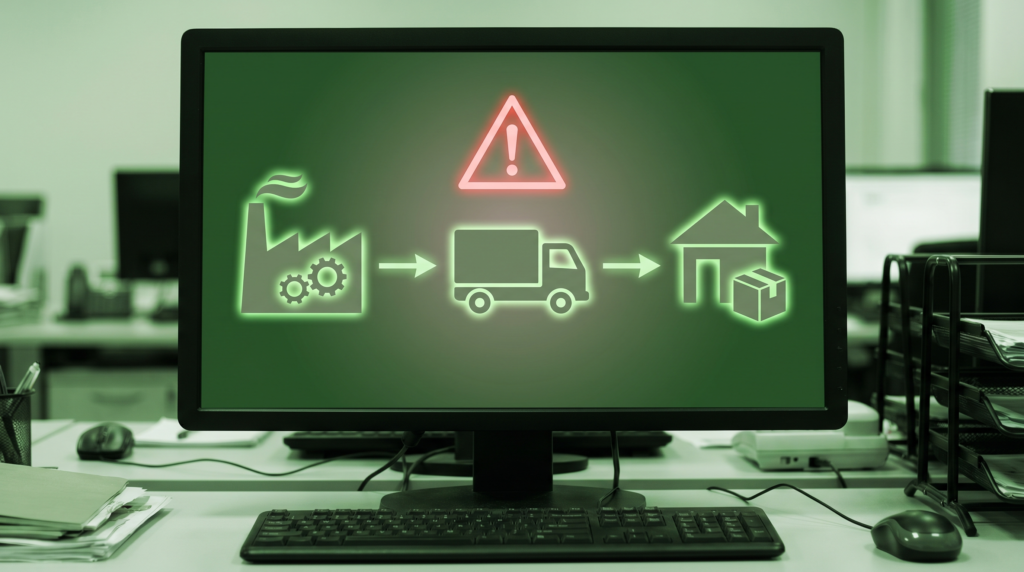
In practice, the DIWASS system automatically cuts off exotic shipping destinations by blocking export authorisations to countries that have not successfully passed the new verification procedure in Brussels. The digitisation of control processes eliminates the human and corruption-prone factor. Every tonne of plastic, paper, or electronic scrap has its unique digital footprint in the database. This tool guarantees full transparency of the supply chain from the point of origin of the consignment to the final processing plant. With the debut of the DIWASS system in May, the European Union gained the most stringent oversight tool in its history. It allows for the technical blocking of global raw material supplies with a single click.
Consequences for the recycling and waste management industry
The blocking of existing markets is causing considerable disarray in the European municipal sector. Waste processing companies are now facing a drastic increase in the volume of raw materials on the domestic market. Therefore, expanding local sorting and recycling infrastructure will become a key challenge in the near future. Companies must invest in advanced technological lines to meet new quality requirements.
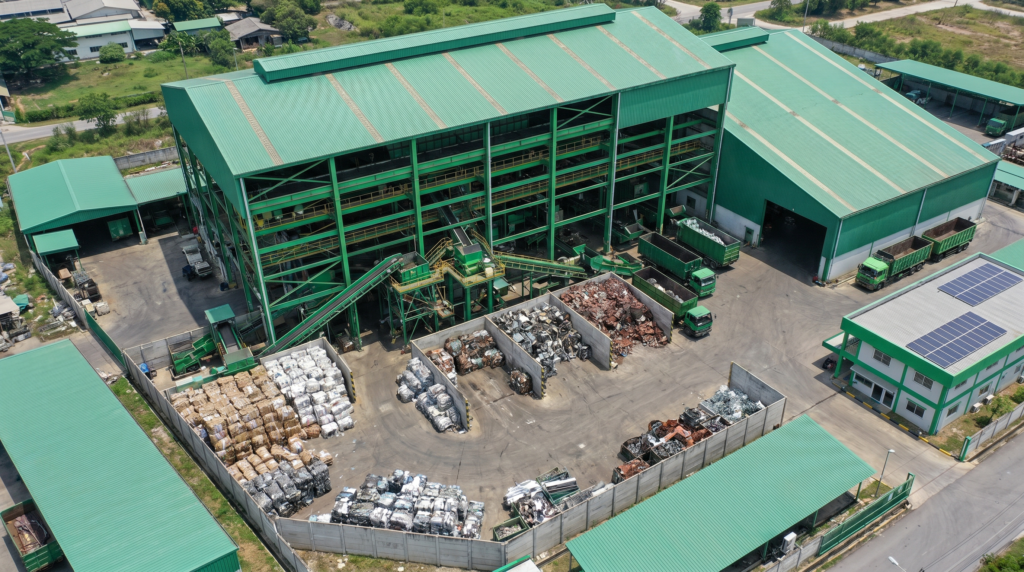
On the other hand, retaining secondary raw materials in Europe will create excellent conditions for the development of the local circular economy. Industry will gain stable and secure access to cheap materials that replace primary raw materials. This will increase the European Union's raw material independence from external suppliers. For this reason, short-term logistical difficulties may bring significant economic and technological benefits for the entire continent in the long term.
The global ecological dimension
The decision to block the export of waste outside the OECD brings unprecedented benefits for the global ecosystem. South East Asian and African countries have for decades struggled with the problem of uncontrolled inflows of European waste. The new law will genuinely reduce the level of pollution of the oceans, into which discarded plastics were ending up. The European Union thus shows that the principle of producer responsibility does not end at the borders of member states.
At the same time, these actions stimulate a global debate about the need for standardised material recovery processes. Developing countries, deprived of the easy profit from importing waste, will have to reorganise their own internal collection systems. Brussels is sending a clear signal that a clean world requires global solidarity and fairness. Climate and biosphere protection is ceasing to be merely a political declaration, becoming instead hard and enforceable international law.