Transit in DIWASS: what if transport involves countries outside the EU?
Transit in DIWASS requires special attention when the international transport of waste passes through countries outside the European Union. Although the place of dispatch and destination may be within the EU, the route passing through Switzerland The Western Balkan countries may also influence the scope of formalities. The way the documentation is prepared is also important, as imprecise or unclear descriptions can make it difficult for foreign authorities to process a notification.
Contact us
FAILURE TO REGISTER WITH DIWASS IS ILLEGAL WASTE MOVEMENT! DON'T TAKE THE RISK!
Justyna Blazewicz-Seredyn
Ewelina Nadolna
Transit in DIWASS: what if transport involves countries outside the EU?
The transport of waste between two EU member states does not always mean an exclusively EU route. In practice carriers they often choose shorter or faster routes through Switzerland or the Western Balkan countries. However, such a decision can affect the scope of formalities related to waste transport and documentation handling in SIIS support.
It's not just the place of dispatch and reception of waste that matters, but also the course of the entire route. In some cases, transit through a third country may require additional organisational, customs or administrative measures. It is also worth remembering that the quality of the data entered into the system plays an increasingly important role. Imprecise descriptions or the use of inappropriate language can prolong the procedure and hinder communication between the participants in the movement.
Transit through third countries requires further analysis
Companies planning international waste transport they often focus on the country of dispatch and the country of destination. Meanwhile, the country of transit is equally important. This is particularly relevant when transport passes through a country that is not part of the European Union.
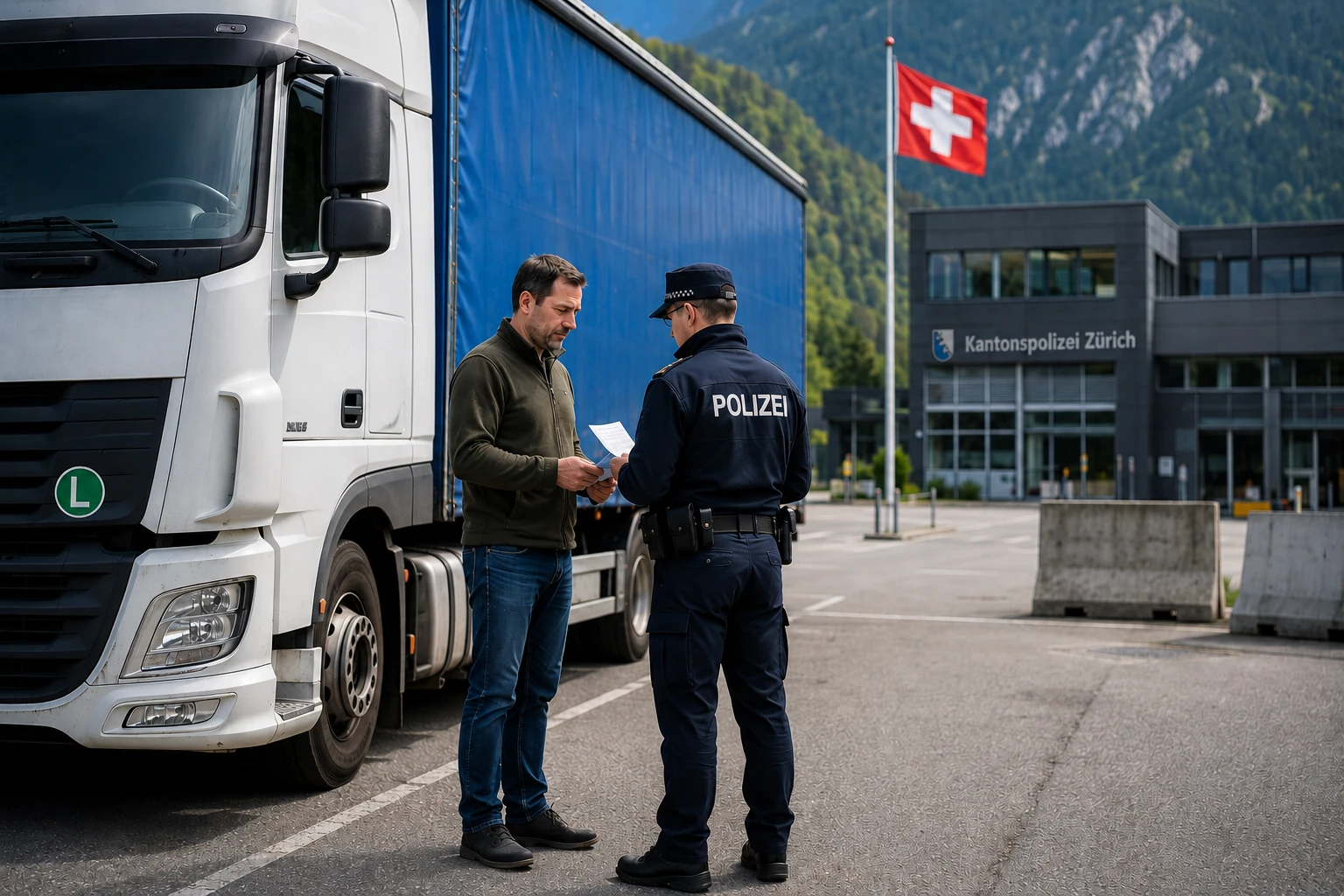
An example could be the transport of waste from Germany to Italy via Switzerland. Although both the place of origin and the place of destination are within the EU, part of the route passes outside the EU customs territory. As a result, participants in the operation should check not only the requirements arising from waste movement regulations, but also customs obligations and the rules applicable in the transit country.
Before commencing transport, it is advisable to ensure that all parties involved in the operation have complete documentation and that the chosen route has been correctly taken into account during the preparation of the submission. This helps to avoid delays at borders and additional costs associated with the need to supplement documents during the carriage itself.
The language of the documentation matters
DIWASS aims to improve information exchange between businesses and the relevant authorities of different countries. For this reason, the way data entered into the system is prepared is of particular importance.
For descriptive fields concerning waste, its composition, the treatment process, or transport conditions, English or another language accepted by all parties involved in the waste movement operation shall be used. This will allow both authorities and entities participating in the transport to correctly interpret the information provided.
Using descriptions solely in the national language may lead to the necessity of providing additional explanations or corrections. This is particularly relevant when the process involves authorities from multiple states or when transport passes through more than one transit country.
It is therefore advisable, before approving the documentation, to check not only that the formal details are correct, but also that they are clear and understandable to all parties involved in the operation. In practice, properly prepared descriptions help to minimise the risk of misunderstandings and streamline the handling of the transport at every stage of its execution.
A well-planned route reduces the risk of problems
The implementation of the DIWASS system does not alter the fundamental objective of the legislation on transboundary shipments of waste. Transparency of information flow, traceability of shipments and the accuracy of documentation remain of key importance.
Entrepreneurs planning international transport should therefore analyse not only the type of waste being transported and the required documentation, but also the entire route and how data is prepared in the system. This allows for the reduction of the risk of delays and facilitates the efficient execution of transport through all countries participating in the operation.